A “luxury dinner cruise” sounds like the perfect evening. You imagine calm water, a well-prepared meal, a peaceful atmosphere, and enough space to truly enjoy the moment. For many people visiting Fort Lauderdale, it feels like a simple way to plan a memorable night.
But the experience does not always match the expectation. What is marketed as luxury can feel crowded, rushed, and impersonal. This gap is more common than most people realize. Understanding where things go wrong helps you make better decisions and avoid paying for an experience that does not deliver.
Where the Experience Starts to Break Down
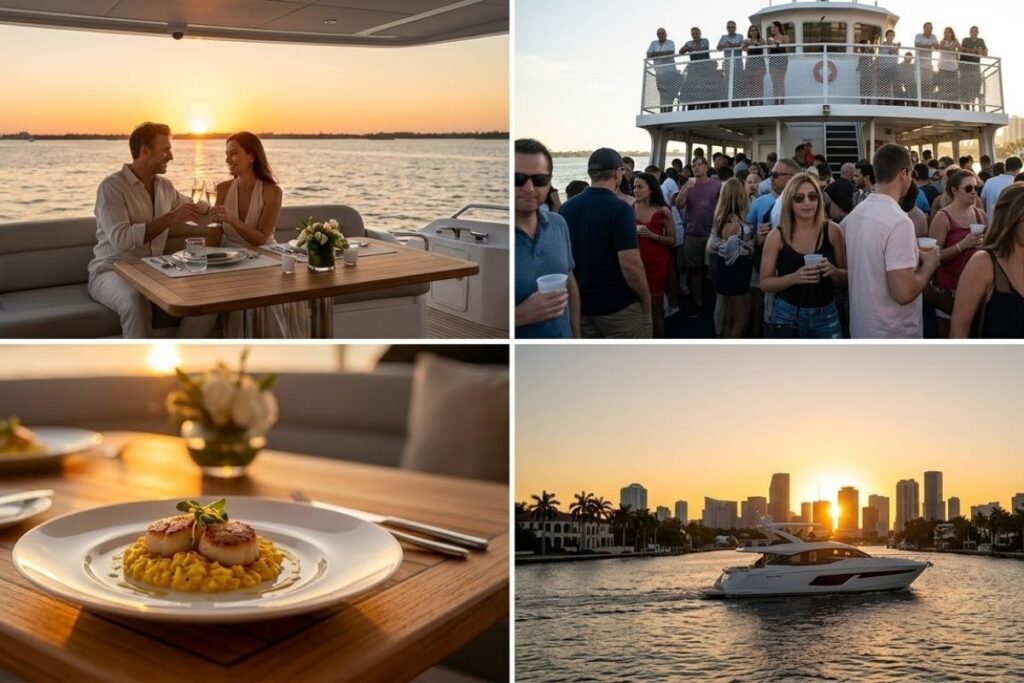
One of the most common issues with dinner cruises is the number of guests on board. A large vessel may look impressive at first, but once it is filled close to capacity, the environment changes.
Instead of feeling relaxed, the space becomes limited. Conversations compete with surrounding noise, seating can feel tight, and movement around the vessel becomes restricted. Even basic comfort is affected when too many people share the same space.
Luxury is not defined by how many people a boat can hold. It is defined by how comfortable each guest feels. When space is compromised, the entire experience starts to lose its value.
Rigid Timelines, Rushed Evenings
Many dinner cruises operate on fixed schedules that leave little room for flexibility. Guests are expected to board at a specific time, meals are served within a narrow window, and the return to dock follows a strict timeline. While this approach helps operators manage large groups efficiently, it often reduces the overall quality of the experience.
A tightly controlled schedule can make the evening feel rushed and segmented. Instead of enjoying a smooth, natural flow, guests move quickly from one stage to the next. There is little opportunity to pause, take in the surroundings, or extend moments that feel meaningful.
This becomes especially noticeable during a sunset cruise in Fort Lauderdale, where timing directly affects the experience. If the cruise schedule does not align with the natural progression of the sunset, guests may miss the best lighting and views. A more flexible structure allows for adjustments that make the experience feel complete rather than constrained.
Food That Prioritizes Volume Over Quality
Food is often promoted as a highlight, but on many cruises, it is designed for efficiency rather than quality.
Common issues include:
- Pre-prepared meals
- Limited menu choices
- No room for customization
- Inconsistent quality
When meals are prepared in bulk, the dining experience becomes secondary. Instead of enhancing the evening, it becomes just another part of the schedule.
Scenery Without Strategy
Fort Lauderdale offers a unique waterfront environment, but not every cruise is designed to take full advantage of it. Many operators follow standard, easy-to-manage routes rather than routes optimized for the guest experience.
Without careful planning, even well-known scenic areas can feel underwhelming. The timing of the route plays a major role, especially as lighting conditions change throughout the evening. Being in the right location at the wrong time can significantly reduce the visual impact.
A well-designed cruise considers both timing and positioning. It ensures that guests experience key locations under the best possible conditions. Without this level of strategy, the scenery becomes passive rather than memorable, and the overall experience feels less intentional.
The Subtle Signs of a “Cheap Luxury” Cruise
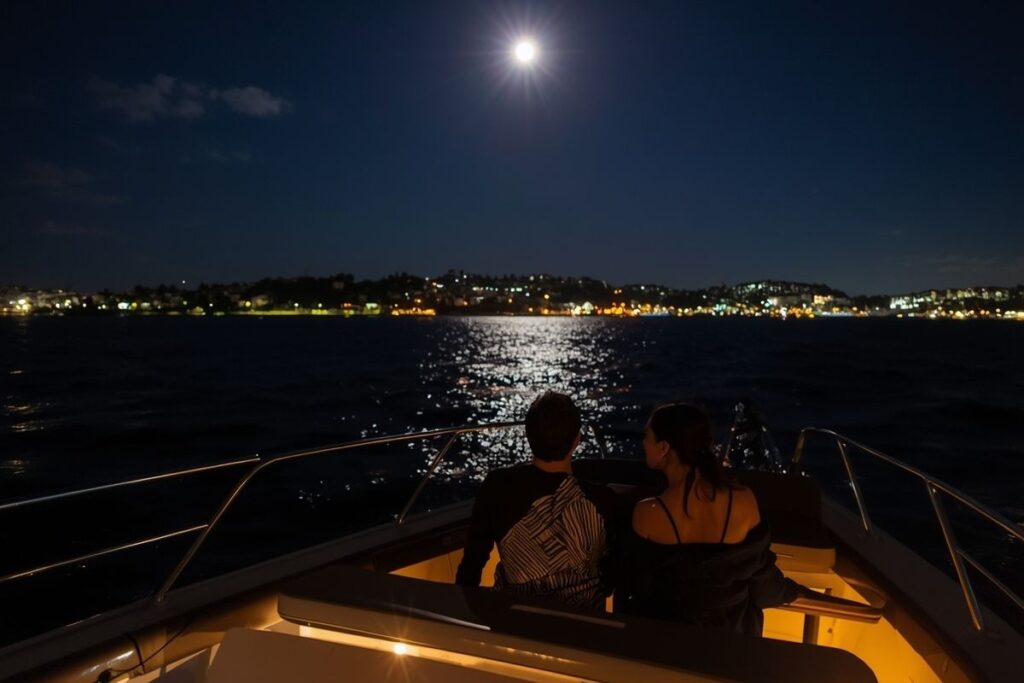
It is not always easy to spot the difference before booking, but there are clear warning signs.
Look out for:
- Overuse of the word “luxury” without specifics
- Stock images that don’t reflect real onboard conditions
- Vague inclusions and unclear pricing structures
- Large passenger capacities marketed as a feature
What Real Luxury Feels Like on the Water
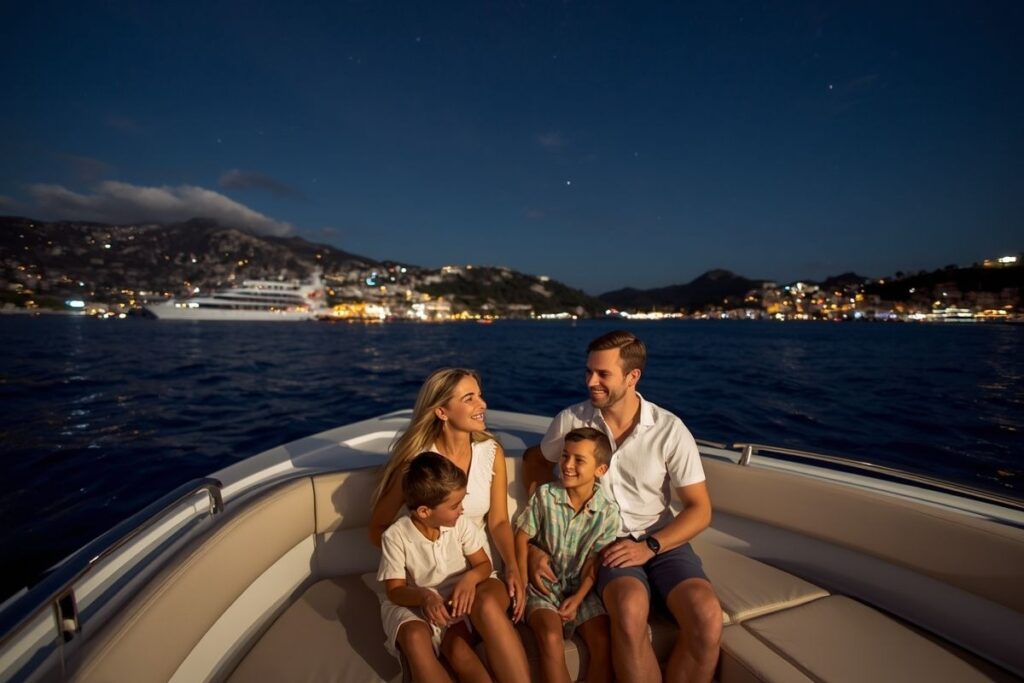
Luxury on the water is defined by how the experience is structured, not just how it is marketed. A well-executed charter focuses on comfort, control, and consistency from start to finish. It removes common issues such as crowding, rigid scheduling, and lack of personalization.
Instead of adjusting to a preset system, guests are placed in an environment where the experience adapts to them. The pacing feels natural, the setting remains comfortable, and each part of the journey connects smoothly. This creates a clear distinction from traditional dinner cruises that prioritize efficiency over experience.
Privacy as the Foundation
- Fully private charters vs shared access
- Control over guest list, atmosphere, and flow
- Flexibility That Shapes the Experience
Flexibility is what allows an experience to feel smooth and well-paced rather than forced. When guests can adjust timing, routes, and duration, the entire evening becomes more enjoyable.
This is particularly important during a sunset cruise in Fort Lauderdale, where slight timing changes can significantly enhance the view and overall atmosphere. Being able to slow down during key moments or extend time in a preferred area adds depth to the experience.
Instead of following a rigid structure, flexibility allows the evening to develop naturally. This results in a more engaging and satisfying experience.
Dining That Matches the Setting
Dining should feel like a natural part of the experience, not a scheduled interruption. On many traditional cruises, food service is structured around efficiency, which limits both quality and timing.
A more refined approach allows dining to align with the flow of the evening. Guests can enjoy their meals at a comfortable pace, without being restricted to a narrow service window. This creates a better balance between dining and enjoying the surroundings.
When dining is integrated properly, it enhances the experience instead of competing with it. The result is a more cohesive and enjoyable evening.
Vessel Choice That Aligns With Intent
- Social pontoons vs high-end yachts
- Matching the vessel to the occasion instead of defaulting to size
How to Evaluate Before You Book
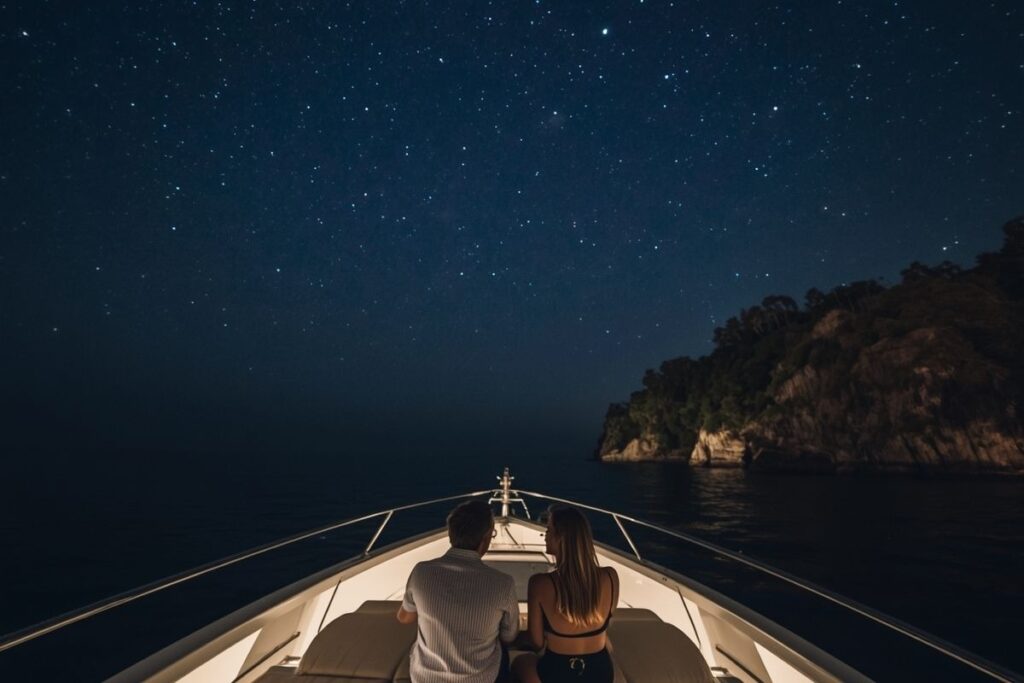
Before booking, take time to ask the right questions. This helps you avoid common mistakes and ensures you get what you expect.
Here are a few important checks:
- Guest capacity vs actual occupancy
- Private vs shared experience
- Route flexibility and time control
- Real photos and recent customer insights
- Level of customization available
Why Private Charters Are Redefining Dinner Cruises
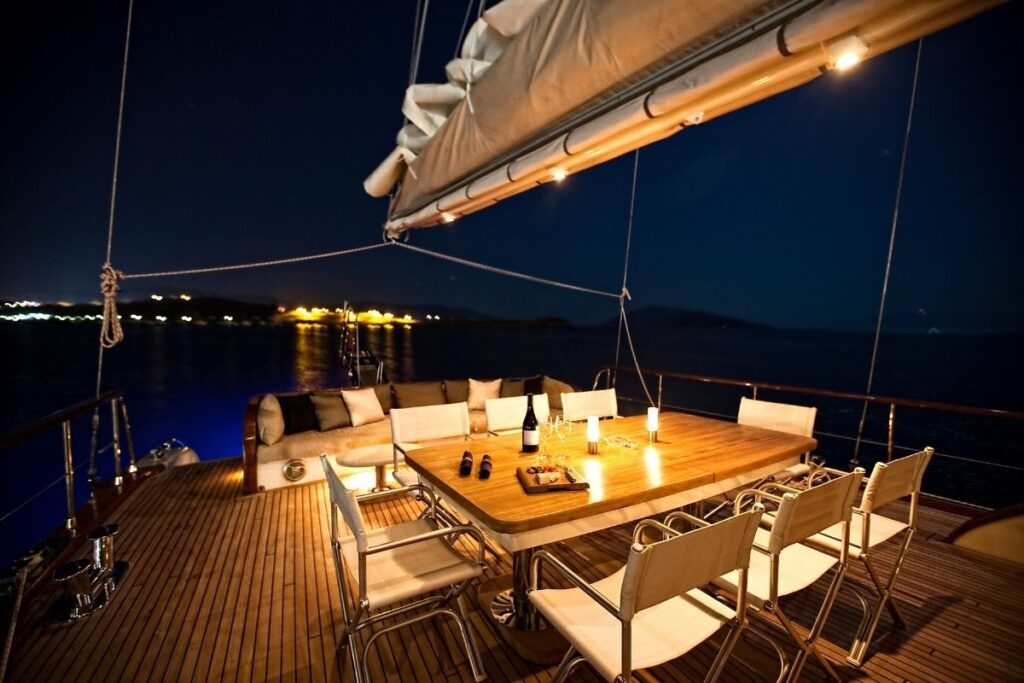
Private charters are changing expectations by offering a more controlled and personalized alternative to traditional dinner cruises. Instead of serving large groups within a fixed structure, they focus on smaller groups and adaptable experiences.
This approach allows for better pacing, improved comfort, and more meaningful use of time on the water. Guests are not restricted by preset schedules or shared environments, which makes the experience feel more intentional.
As more people look for experiences that prioritize quality over volume, private charters continue to stand out as a more practical and satisfying option.
Choose the Experience, Not the Label
- “Luxury” as a marketing term vs a measurable standard
- Why the structure of the experience determines satisfaction
- The long-term value of getting the experience right the first time
- Experience Fort Lauderdale on Your Terms with Lauderdale Charters
We take a different approach at Lauderdale Charters. Instead of offering fixed, crowded experiences, we focus on private charters built around your preferences.
We offer:
- 4, 6, and 8-hour charters designed for flexibility
- A range of vessels, from upscale pontoons to premium yachts
- The ability to plan your own route, timing, and onboard experience
Whether you want a relaxed evening or a more refined setting, we give you the control to shape the experience.
If you are looking for more than a standard dinner cruise, we offer a private, flexible alternative tailored to your expectations. Explore our vessels and plan an experience that fits your schedule, your group, and your pace.